

Burgundy Cross Flag, Saint Andrew's Cross: What Each One Represents
Military flags are not mere pieces of cloth; they are symbols loaded with history, culture, and tradition. In this article, we explore two of the most iconic emblems in the history of Spain: the Burgundy Cross Flag and the Saint Andrew's Cross, analyzing their origin, symbolism, and relevance in the military context.
What is a Military Flag?
Military flags have accompanied armies throughout history as a representation of identity and unity; many have given their lives for them over the course of history, and to this day they remain part of our daily lives.
Functions of a military flag:
-
Helps distinguish one unit or tercio from another on the battlefield.
-
Symbolizes the unit’s values such as loyalty, honor, and resilience.
-
Acts as an emblem of tradition and pride in official ceremonies.

The Burgundy Cross Flag
History
The Burgundy Cross, also known as the Cross of Burgundy, originated in the 15th century with the House of Burgundy. Its design depicts two crossed branches with knots, evoking the cross on which Saint Andrew was martyred.
The Spanish Tercios adopted this insignia as a symbol of unity and resilience, carrying it onto battlefields across Europe and the Americas. Notably, it was the flag used during the glorious era of the Spanish Empire, when the sun never set on the Spanish Empire.
Symbolism
The Burgundy Cross represents:
-
Loyalty and resilience: Fundamental values of the Tercios, which is why they remained the spearhead of the empire for centuries.
-
Military identity: It was the emblem of the armies during the Spanish Empire, flying in every corner of the empire as a symbol of unity.
Current Uses
Today, the Burgundy Cross remains a symbol present in many military units:
-
It is used as the official flag of many units in military events and official ceremonies.
-
It also flies in some places with history within the Spanish Empire, as in the image we can see below from Puerto Rico.

Saint Andrew's Cross
History
The Saint Andrew's Cross has roots in Christian iconography, representing the cross on which Saint Andrew was martyred. Its X-shaped design has been adopted by various flags and emblems throughout history.
Symbolism
Saint Andrew's Cross symbolizes:
-
Divine protection: A call to faith and sacrifice, values deeply rooted in the spirit of the Spanish soldier for centuries.
-
Martyrdom and resilience: A reflection of dedication and honor on the battlefield; the devotion with which our former soldiers of the Tercios fought required a “divine devotion,” and under this flag, they found that symbol.
Current Uses
Saint Andrew's Cross is visible in:
-
Regional flags, such as that of Scotland and other regions of Spanish influence.
-
Insignia of military corps in official events; as with the Burgundy Cross, the use of Saint Andrew's Cross is widely spread within military units due to its great weight in the history of Spain.
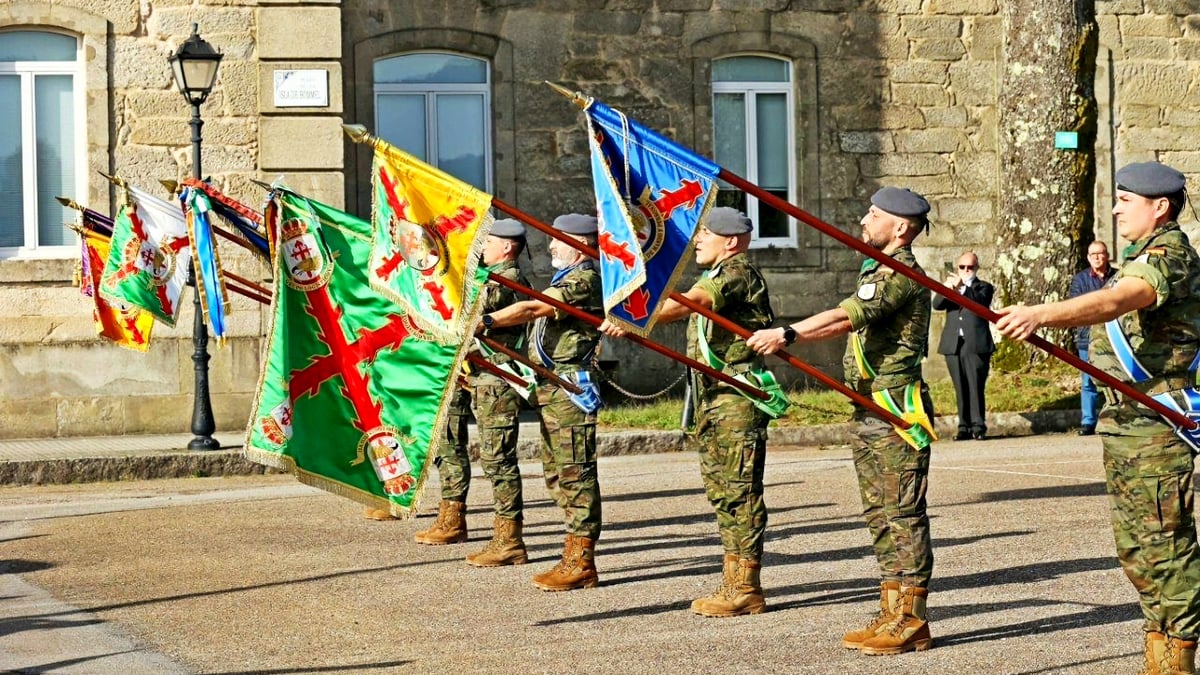
The Relationship between the Burgundy Cross and the Spanish Tercios
The Burgundy Cross Flag became the main emblem of the Spanish Tercios, one of the most feared and respected military units in history.
Historical impact:
-
It was flown in key battles, such as Pavia and Rocroi, and was also used on the standards, pennants, and flags of Spanish Navy vessels, flying far and wide across the seas.
-
It represented the unity and discipline of the Tercios.
Legacy:
The Burgundy Cross remains a symbol of military pride in Spain, evoking the rich history of the Spanish armies.

Conclusion
Military flags, such as the Burgundy Cross and the Saint Andrew's Cross, are much more than insignia; they are representations of history, values, and tradition. These flags not only accompanied armies in the past, but continue to be an emblem of pride and honor today.
Interested in more military history? Explore the SERMILITAR.store blog and discover the secrets behind the most iconic symbols.
New Arrivals


Wide Admin Pouch MOLLE Pocket - Agilite
Original price
€77,99
-
Original price
€83,99
Original price
€77,99
-
€83,99
€77,99
-
€83,99
Current price
€77,99
The molle pouch Wide Admin Pouch from the Israeli brand Agilite is a low-profile admin pouch designed to offer efficient organization and quick acc...
View full details
Original price
€77,99
-
Original price
€83,99
Original price
€77,99
-
€83,99
€77,99
-
€83,99
Current price
€77,99


Beanie Hat - Agilite
Original price
€35,99
-
Original price
€35,99
Original price
€35,99
€35,99
-
€35,99
Current price
€35,99
The beanie hat from the Israeli brand Agilite has been designed to provide warmth, comfort and discretion in cold environments, both for profession...
View full details
Original price
€35,99
-
Original price
€35,99
Original price
€35,99
€35,99
-
€35,99
Current price
€35,99


Training Knife - K25
Original price
€8,99
-
Original price
€8,99
Original price
€8,99
€8,99
-
€8,99
Current price
€8,99
The K25 training knife from the Spanish brand is made of high-quality synthetic material that replicates the dimensions and ergonomics of a real kn...
View full details
Original price
€8,99
-
Original price
€8,99
Original price
€8,99
€8,99
-
€8,99
Current price
€8,99


Training folding-knife style trainer - K25
Original price
€15,99
-
Original price
€15,99
Original price
€15,99
€15,99
-
€15,99
Current price
€15,99
La navaja de entrenamiento de la marca española K25 está diseñada para la práctica segura de técnicas de manejo, defensa personal y entrenamiento c...
View full details
Original price
€15,99
-
Original price
€15,99
Original price
€15,99
€15,99
-
€15,99
Current price
€15,99


Karambit-style Training Knife - K25
Original price
€7,99
-
Original price
€7,99
Original price
€7,99
€7,99
-
€7,99
Current price
€7,99
The K25 brand training Karambit is made of durable, non-edged synthetic material, allowing close-quarters practice while minimizing the risk of inj...
View full details
Original price
€7,99
-
Original price
€7,99
Original price
€7,99
€7,99
-
€7,99
Current price
€7,99
Sold out
Leave a comment